Crafting Bridges Across Generations

Today we celebrate library and makerspace programs that connect teens and older adults through hands-on projects, turning shared curiosity into real relationships. By building, repairing, coding, sewing, and storytelling side by side, generations discover new confidence, exchange practical knowledge, and find unexpected joy. Friendly mentors, accessible tools, and welcoming tables help everyone feel ready to try, fail, laugh, and try again. If you’ve wondered how to bridge ages in meaningful, creative ways, pull up a chair—your next favorite collaboration might be waiting on the workbench.

Inviting Rooms, Shared Tables

Thoughtful spaces make collaboration feel natural: clear signage, adjustable seating, bright task lighting, and zones for conversation or quiet focus. Staff greet participants by name, model curiosity, and set gentle norms that invite kindness and patience. Short tool orientations reduce anxiety, while hospitality—tea, captions, and large-print handouts—signals care. When tables are shared and interruptions welcomed, people relax, ask questions freely, and discover how quickly unfamiliar tools become friendly companions.

01

Design That Welcomes Everyone

Entryways without clutter, wide aisles, and seating that moves let wheelchairs, walkers, and strollers glide in without drama. Labels with icons help new makers find soldering irons, embroidery hoops, or safety glasses quickly. Plants, natural light, and acoustic panels soften noise, encouraging longer conversations and easier concentration during delicate tasks.

02

Facilitators Who Spark Trust

Programming thrives when facilitators bridge differences with humor, humility, and attentive listening. They translate jargon into plain language, affirm small wins, and notice who might need an extra beat. By sharing their own beginner mistakes, they normalize experimentation, keep perfectionism at bay, and gently redirect conflict toward shared goals and creative problem-solving.

03

Tools Introduced With Patience

Many participants have never touched a 3D printer, sewing machine, or microcontroller before. A calm, repeatable introduction—naming parts, demonstrating safety, and inviting hands-on practice—builds competence quickly. Provide written steps, diagrams, and checklists. Celebrate first prints and first stitches with photos and applause, so momentum carries into bolder collaborations.

Projects That Ignite Curiosity

Hands-on activities shine when they invite personal stories and practical outcomes. Pair analog and digital, memory and invention: digitize family photos with scanning basics, stitch wearable LEDs for visibility, 3D-print custom jar openers, or co-create audio postcards. Projects should finish in sessions, scale gracefully, and reward curiosity more than perfection.

Teens Teaching Tech With Empathy

Young coaches slow down, narrate clicks aloud, and celebrate micro-successes so confidence grows with every swipe. They ask permission before touching devices and provide take-home notes. By teaching with empathy, teens discover they understand technology more deeply when they translate it, and they feel genuinely needed by their neighbors.

Older Adults Sharing Wisdom and Craft

From wood finishes to hand sewing, storytelling to patient troubleshooting, experience shines. Elders model pacing, safety rituals, and techniques for rescuing projects that veer off course. Their reflections about persistence, resourcefulness, and community service reframe making as stewardship, inspiring teens to pursue craftsmanship alongside speed, novelty, and clever hacks.

Pairing Methods That Really Work

Partner selection can honor interests and reduce intimidation. Try brief speed-meet activities, shared goal-setting cards, and rotating buddy roles. Celebrate strengths publicly and capture growth privately with reflection prompts. When expectations are mutual and leadership moves, each person gets to teach, learn, and witness change in real time.

Scheduling Around Real Lives

Teen commitments, caregiving routines, and transit realities shape attendance. Poll participants, then stack shorter sessions with make-up options. Align with school clubs, senior centers, and paratransit schedules. Build in snack time and stretch breaks. When timing honors real lives, patience grows, and projects reach the finish line together.

Safety Briefings That Empower

Safety that empowers starts with positive language, demonstrations, and shared responsibility. Practice glove sizing, ventilation checks, tool handoffs, and emergency stops until they feel automatic. Invite questions, log near misses without blame, and review after action. Confidence rises when everyone knows exactly how to protect themselves and others.

Access for All Bodies and Brains

Consider sight, hearing, mobility, and cognitive differences from the first draft. Provide contrasting labels, adjustable stools, loop systems, and step-by-step cards with icons. Offer alternative tasks during noisy steps. Encourage co-creation of accommodations so participants feel respected, resourced, and free to contribute with energy and pride.

Stories From Shared Workbenches
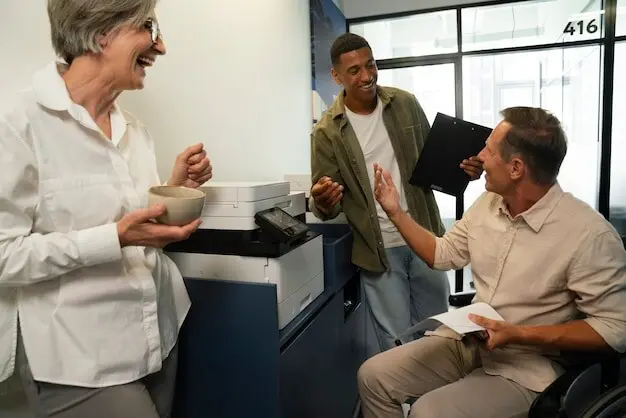
Real lives change at workbenches. Friendships bloom over tangled wires and crooked seams. We’ve watched shy newcomers light up after a first repair, and retirees rediscover leadership by guiding teams. Short, specific wins accumulate, transforming how people introduce themselves: not by age labels, but by projects finished together.

Measuring Change You Can Feel

Numbers help, but stories persuade. Ask participants to narrate a moment they felt proud, seen, or helpful. Compile quotes, artifacts, and before–after prototypes. Present outcomes in pop-up exhibits, then archive lessons online so other libraries can adapt while honoring local culture, constraints, and wonderfully quirky personalities.

Community Partners Who Multiply Value
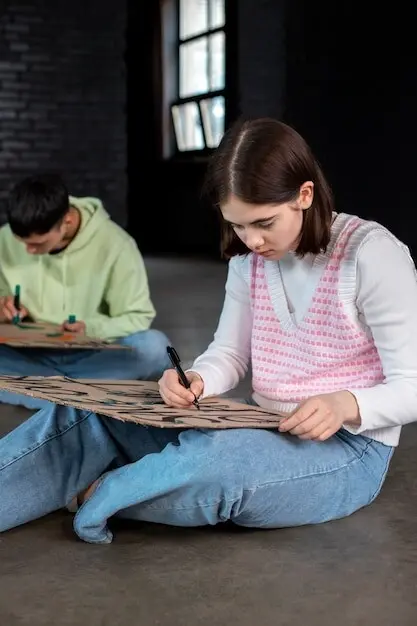
Partnerships with schools, senior centers, arts councils, and repair cafés amplify reach. Share calendars, co-fund materials, and rotate venues so transportation barriers shrink. Cross-train volunteers and swap toolkits. When organizations coordinate, participants experience continuity, leaders avoid burnout, and small wins add up to a resilient, generous civic network.

Funding That Respects Purpose

Grants favor clarity and inclusivity. Describe real outcomes, list accommodations, and show co-leadership by teens and older adults. Budget for consumables, technician time, and evaluation, not just gadgets. Invite donors to visit, try a tool, and hear participants. Support deepens when people witness care translated into making.

Join, Share, and Keep the Sparks Flying

Whether you craft, code, or simply love good company, there is a place at the table. Volunteer as a coach, donate spare materials, or propose a project. Share your stories in the comments, invite friends, and subscribe for updates so new workshops, resources, and celebrations find you first.
Farivirotemisentokirasira
Privacy Overview

This website uses cookies so that we can provide you with the best user experience possible. Cookie information is stored in your browser and performs functions such as recognising you when you return to our website and helping our team to understand which sections of the website you find most interesting and useful.