Bridges Across Languages and Generations
Join us as we explore designing inclusive intergenerational learning for immigrant and multilingual communities, blending cultural strengths, heritage languages, and equitable pedagogy. Discover practices that honor families, support belonging, and ignite curiosity across ages through co-creation, accessibility, translanguaging, and joyful, community-rooted learning. Whether you are an educator, parent, or neighbor, you will find actionable ideas that welcome everyone.
Listening First: Community-Centered Co-Design
Before any curriculum or technology is proposed, real inclusion begins with listening and relationship building. Establish trust through home visits, multilingual surveys, shared meals, and compensated workshops supported by interpreters and cultural liaisons. Co-create goals that reflect families’ aspirations, weekday realities, transportation constraints, and caregiving responsibilities. When elders, parents, and youth see their stories guiding decisions, participation flourishes, and learning turns into a reciprocal exchange rather than a service delivered to passive recipients. Share your insights back to the community and invite feedback loops that keep design honest and alive.
Linguistic Justice and Translanguaging in Practice
Respect for linguistic rights means more than translation services; it centers everyday communication patterns and values fluid language use. Encourage translanguaging by allowing learners to think, draft, discuss, and present using all their linguistic resources. Label spaces with multilingual signage, adopt plain language guidelines, and normalize accent diversity. Celebrate interpreters as leaders, not invisible helpers. Invite readers to share phrases that make their classrooms feel welcoming, and subscribe for upcoming toolkits featuring glossaries, signage packs, and bilingual facilitation prompts developed with community partners.
Designing Intergenerational Projects That Matter
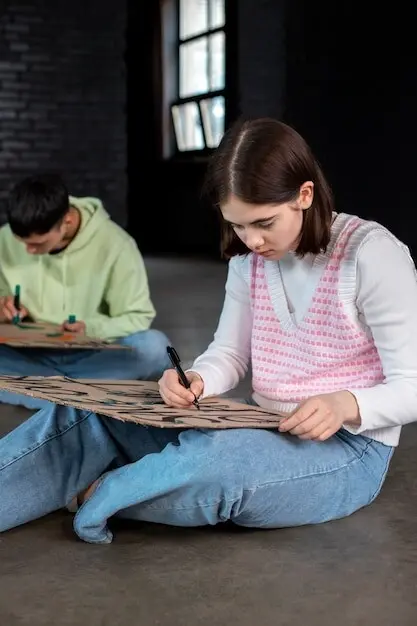
Projects come alive when they address real community questions and invite every generation to contribute distinct strengths. Blend hands-on making with storytelling, local history, and civic imagination. Schedule sessions at times accessible to shift workers and caregivers, and provide childcare, food, and quiet spaces. Feature public showcases in familiar venues so grandparents can comfortably attend. We welcome your project ideas and success stories—post comments or join our newsletter for templates, facilitation scripts, and planning checklists grounded in lived experience, not abstractions.





Multiple means, shared meanings
Invite learners to choose expression modes—oral narratives with elders, comic strips, bilingual podcasts, or model-building sessions. Offer scaffolds like sentence frames in multiple languages, pictorial rubrics, and exemplars from varied cultures. Encourage cross-age peer review so feedback bridges generations. Teachers can download rubrics that honor content mastery regardless of language used. Comment with your adaptations that helped emergent readers, newcomers, or shy speakers show deep understanding while building confidence, cultural pride, and sustained curiosity over successive projects.

Low-tech, high dignity access
Design for unreliable Wi‑Fi, limited devices, and shared living spaces by preparing printable packets, SMS prompts, and radio-style audio lessons. Ensure families can participate without apps or accounts, yet keep materials beautiful and affirming. Provide translation hotlines and office hours by phone. Readers, tell us which low-tech formats traveled best across your community, and subscribe for a field-tested library of templates balancing practicality, aesthetics, and respect for time, privacy, and the complex rhythms of multigenerational households.
Wellbeing, Safety, and Trauma-Informed Care
Safety and hope are prerequisites for learning, especially for families navigating displacement, discrimination, or economic precarity. Establish predictable routines, consent-based photography policies, and clear options to opt out. Provide quiet rooms, sensory tools, and pathways to counseling partners. Train staff in cultural humility and trauma awareness, avoiding forced sharing while welcoming voluntary storytelling. Share how you create supportive boundaries in your context, and join our community updates for scripts, signage, and care protocols reviewed by immigrant advocates and multilingual mental health professionals.


Partnerships, Spaces, and Sustainable Funding
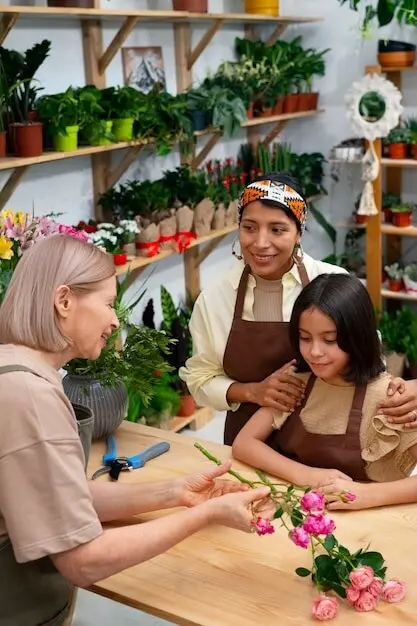
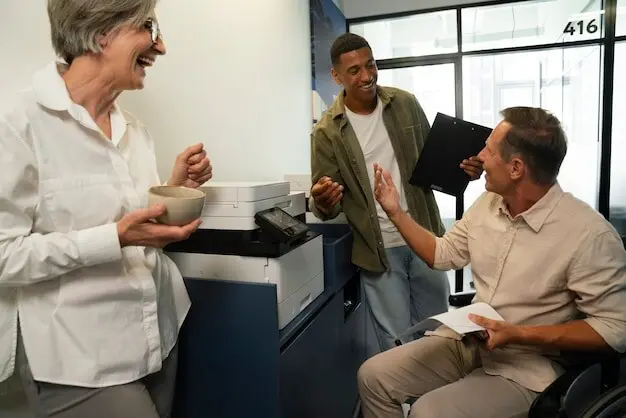
Long-term success grows from trusted partnerships and stable resources. Build collaborations with libraries, mutual aid groups, tenant associations, faith communities, and cultural organizations already serving families. Choose spaces near transit, with flexible seating, clean restrooms, and room for children to play safely while elders relax comfortably. Seek braided funding through microgrants, corporate matches, and participatory budgeting. Comment with partners you trust and subscribe for a quarterly resource roundup featuring sample MOUs, budget templates, and planning calendars tuned to multilingual, intergenerational rhythms.
Libraries, faith centers, and trusted hubs
Partner where families already gather. Libraries offer makerspaces, printers, privacy corners, and librarians skilled in multilingual support. Faith centers provide familiarity, volunteer networks, and flexible halls. Celebrate hospitality norms, from shoe racks to shared meals. Readers, tell us which neighborhood hubs open doors across generations, and how you honor each site’s customs while ensuring safety, accessibility, and inclusive signage. We will compile your insights into a practical guide for finding welcoming, stable homes for intergenerational learning.
Microgrants and braided funding
Combine small grants, local business sponsorships, and in-kind donations to stabilize programs without bureaucratic delays. Publish transparent budgets in multiple languages so communities see where every dollar goes. Pay interpreters, childcare workers, and community educators first. Comment with funding wins and hurdles, and subscribe to receive a living spreadsheet of opportunities, proposal snippets, equity-centered narratives, and reporting templates that honor impact beyond test scores, emphasizing relationships, persistence, and community-defined measures of joyful, meaningful learning.
All Rights Reserved.